


What Happened?
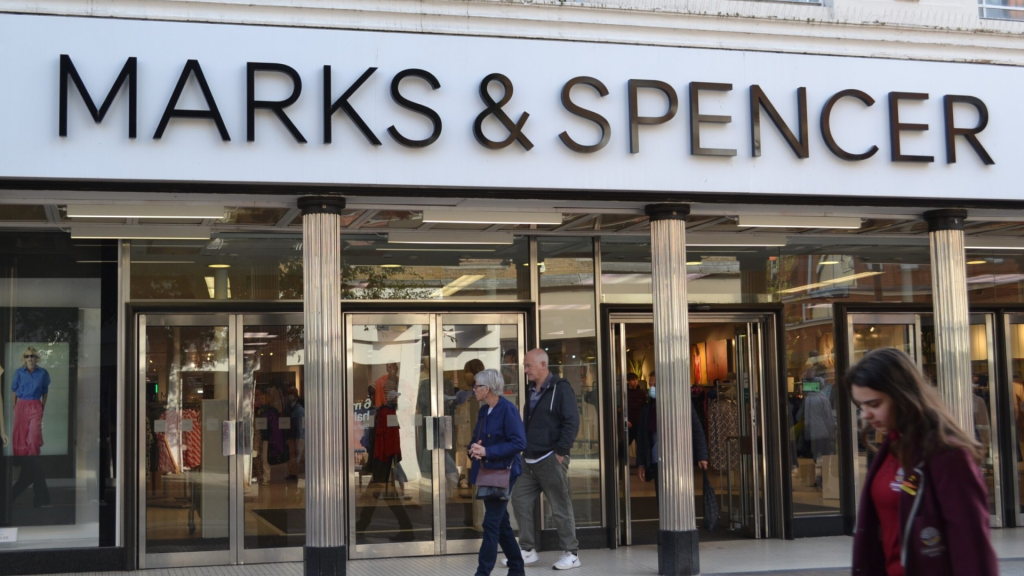
In late April 2025, both Harrods, the iconic luxury department store, and M&S, the beloved high-street giant, confirmed they were targeted in sophisticated cyberattacks.
While details are still emerging, here’s what we know:
- Harrods was hit first, with attackers attempting to access customer data and internal systems.
- Just days later, M&S reported a similar breach attempt.
- Both attacks appear to be part of a wider wave targeting UK retailers, including Co-op. They are believed to be linked to a cybercriminal group known for ransomware and data extortion.
The cyberattacks on M&S and Harrods weren’t just about breached servers or disrupted systems—they struck something more subtle, more personal: trust.
Trust that our data is safe. Trust that brands will protect us. Trust in the very foundation of how we live and shop online.
So what really happened? And what does it mean for all of us—shoppers, brands, and digital citizens? Let’s explore.
Beyond the Data Breach: The Unseen Cracks in Trust
When news of the M&S and Harrods attacks broke, headlines focused on potential data theft, but the deeper story was harder to quantify: the erosion of confidence.
Consider this: your perception of these brands will likely change even if your card details or email weren’t part of the breach. Suddenly, that retailer you trusted with everything from birthdays to payment details doesn’t feel quite so secure.
Imagine a customer who’s been shopping with M&S for twenty years—using their Sparks card, saving shopping lists online, receiving tailored discounts. That customer may not cancel their account outright, but next time they check out, they might hesitate. They might wonder
Should I be using guest checkout instead? Do they have my back?
This growing doubt contributes to what many call “digital trust fatigue”—a low-grade anxiety that builds with every breach headline. We’re constantly told to change our passwords, update our details, opt out of data sharing… It’s exhausting, and for many, it’s starting to erode trust in individual brands and the entire digital system.
The Rituals of Online Consumption Under Threat
Modern shopping is about more than products. It’s an experience—curated, predictive, frictionless.
When you log into your Harrods account and see handpicked luxury recommendations or get an email from M&S reminding you about that bottle of red you always buy at Christmas, it feels… personal. These are the rituals of online consumption—subtle, tailored, and built on trust.
However, these rituals depend on the belief that your data is safe and can only be used to improve your experience. When that belief is broken, the magic fades.
What was once a smooth digital ritual becomes a transaction layered with doubt—and for retailers, that’s a threat far more damaging than malware.

The Emergence of “Security-Conscious Consumer Tribes”
As digital breaches become more common—and more personal—a new kind of consumer is emerging: one who prioritises privacy and security as much as price or product.
These “security-conscious consumer tribes” are no longer niche. They’re growing, vocal, and reshaping the expectations placed on brands.
Picture a millennial shopper who’s already deleted Facebook and avoids using Chrome. They’re savvy about privacy, skeptical of AI recommendation engines, and demand to know where their data goes. After the M&S breach, they don’t just scroll past—they dig into the response. Did the brand own the issue? Did they notify customers properly? Are they taking long-term action?
A shift toward privacy-enhancing technologies is imperative.
After high-profile breaches like these, more people are starting to take their digital safety seriously. We’re seeing a shift toward tools that put privacy first—things like:
- Encrypted messaging apps and VPNs to keep online chats and browsing private
- Virtual cards and secure payment options that hide your real details
- Password managers and face or fingerprint login to keep accounts locked down
- Privacy-friendly browsers like Brave, or search engines like DuckDuckGo that don’t track your every move
And it’s not just consumers—retailers are feeling the pressure too. They may need to step up with options like anonymous checkout, easy opt-outs for tracking, or even facial recognition by choice only—all to help shoppers feel more in control and less exposed.
Rebuilding the Digital Trust Ecosystem: A Human-Centric Approach
Fixing a breach isn’t just resetting passwords and tightening firewalls. It’s about reconnecting with people.
Too often, brands go quiet during cyber incidents, fearing reputational fallout. But that silence often does more harm than good. People aren’t looking for perfection—they’re looking for honesty.
Imagine a retailer that responds to a breach not just with a technical statement, but with a heartfelt video message from its CEO. Just a clear explanation, an apology, and a commitment to do better. That kind of human-centered response doesn’t erase the breach, but it goes a long way toward restoring confidence.
Trust isn’t built solely through encryption protocols. It’s built through compassion, accountability, and giving consumers more control—through opt-outs, data dashboards, and clear consent journeys.
Using Ethical AI to Build Trust, Not Just Efficiency
Brands are increasingly using AI to power product recommendations, optimise operations, and personalise experiences—but without clear ethical guidelines, these tools can quickly feel invasive or manipulative.
Ethical AI, in contrast, is designed with fairness, transparency, and accountability in mind. It asks:
- Are we explaining how decisions are made?
- Can consumers opt out of algorithmic targeting?
- Are we using data in ways that align with customer expectations?
For example, instead of showing opaque recommendations, a retailer might explain:
“We recommended these styles based on what similar customers preferred—want to change how we tailor suggestions?”
This transparency doesn’t just feel good—it builds long-term trust.
Privacy-Preserving Technologies That Empower Users
Forward-thinking brands are going even further—embedding privacy-preserving technologies into their platforms to put users in control.
These include:
- Zero-knowledge data sharing is when personal data can be used to verify identity or eligibility without exposing the actual content.
- Federated learning enables AI to train on user behaviour locally on a device, without sending raw data to central servers.
- Data vaults or dashboards give consumers granular control over what is stored, how it’s used, and who has access.
Imagine logging into your account and seeing a simple panel that lets you:
- Turn off behavioural tracking with a single click
- Review the data the brand holds about you
- Set expiration dates for your data to be automatically deleted
By prioritising ethical AI and privacy-first design, brands send a clear signal:
“We don’t just want your data—we respect your right to own it.”
Cybersecurity as the Foundation of Rebuilding Digital Trust
If the M&S and Harrods cyberattacks taught us anything, it’s that trust isn’t just built on brand reputation—it’s built on cybersecurity.
Think of cybersecurity as the invisible foundation beneath every online interaction. It’s what makes customers feel safe enough to browse, buy, and share personal details without second-guessing. When that foundation cracks—even slightly—so does trust.
This is where cybersecurity pros and trusted consultants come in. They’re not just tech wizards working behind the scenes—they’re brand protectors. They help retailers like M&S and Harrods craft clear, honest messages about how they respond to incidents, what’s being done to fix things, and how they’ll prevent it from happening again.
It’s not just about defence—it’s about design. With the right partners, businesses can bake security into every part of the customer journey. That means using privacy-by-design practices, staying on top of regulations, and offering ethical AI that treats customer data carefully.
Let’s not forget the ongoing stuff: 24/7 monitoring, regular audits, and the ability to adapt quickly when threats evolve. Managed security services providers like Deployflow offer this kind of proactive protection, making customers feel looked after, even when things go wrong.
Because when a breach happens, it’s not just the speed of the response that matters. It’s the tone. Being transparent, fast, and empathetic shows customers you care about more than data—you care about them.
The Digital World Runs on Trust—Don’t Lose It
The M&S and Harrods cyberattacks weren’t just a wake-up call for IT teams—they were a reminder to us that trust in the digital world is fragile.
Whether you’re a business leader, a customer, or somewhere in between, it’s time to think bigger than just firewalls and fixes. Cybersecurity isn’t just about preventing hacks—it’s about protecting relationships, reputations, and the everyday digital moments we all rely on.
So, the real question isn’t “Will there be another breach?”—it’s “Will your customers still trust you when it happens?”
Invest in security. Communicate openly. Put people at the heart of your digital strategy. Because trust, once broken, takes far more than a patch to repair.
Explore Deployflow cloud consulting services to learn how we can help you accelerate your security resilience from the start.
FAQs
What happened in the M&S and Harrods cyberattacks?
M&S and Harrods were targeted in coordinated cyberattacks that exposed vulnerabilities in their third-party systems, raising concerns about customer data security.
How do data breaches affect customer trust in brands?
Data breaches shake customer confidence, making people question a brand’s reliability and whether their personal information is truly safe.
What is digital trust fatigue and how does it impact online behaviour?
Digital trust fatigue is the growing weariness from repeated breaches, leading people to become more cautious, less loyal, and less willing to share data online.
How can businesses rebuild trust after a cybersecurity breach?
Businesses can rebuild trust through transparent communication, swift response, and long-term investments in strong, customer-centric cybersecurity.
What role does cybersecurity play in customer loyalty today?
Cybersecurity is now a key part of brand loyalty, with customers favouring companies that make visible, trustworthy efforts to protect their data.
Explore our BLOG
Recent articles
ISO 42001 Explained: Requirements, Certification and What Your Engineering Team Must Build
ISO 42001 is the international standard that demonstrates your organisation governs AI properly, and enterprise...
read full article

Is Claude Down? Anthropic Outage: Protect Your Cloud Infrastructure
Claude went down across every surface on 29 September 2026. From 14:00 to 14:59 UTC,...
read full article

Top 10 Healthtech Companies in 2026: What Their Growth Means for AI and DevOps
Every software change that reaches a hospital has to clear regulatory, legacy system, and clinical...
read full article