


Let’s face the truth! Simply moving to the cloud isn’t enough to remain competitive in today’s fast-paced market. Businesses must continually evolve their applications to stay ahead. This is where cloud application modernisation comes into play.
In this blog, we’ll explore what cloud application modernisation entails, the challenges companies face during the process, and how to build a solid cloud application strategy to unlock the full potential of app modernisation.
What Is Cloud Application Modernisation?
As a CTO, you’re always balancing the need to innovate with the realities of maintaining legacy systems. Cloud application modernization lets you do both. It’s the process of transforming your old monolithic apps into flexible, scalable cloud solutions. This isn’t about ripping out your existing systems—it’s about upgrading them to make them more agile, secure, and cost-effective.
Whether it’s migrating to the cloud, containerizing services, adopting a serverless architecture, or using DevOps to optimize your data pipelines, modernization allows you to extend the life of your apps while tapping into the latest cloud technologies.
Why Modernise Legacy Applications?
You’re all too familiar with the challenges of managing legacy applications. These monolithic systems are tough to scale, costly to maintain, and updating them can feel like navigating a minefield.
The good news? Modernizing to a microservices architecture is a game-changer. By breaking down your legacy apps into smaller, independent components, you can deploy, update, and scale each one individually. This flexibility is the true power of cloud app modernization—it allows you to move faster, scale more efficiently, and respond to business needs in real time.
What Are the Benefits of Cloud Application Modernisation?
The ultimate goal of cloud application modernisation is to minimise operational inefficiencies and simplify business operations. Here are some of the key benefits of the cloud application modernisation process:
- The cloud app modernisation allows a pay-as-you-go pricing model and much more efficient infrastructure which leads to huge long-term savings
- Enhanced performance of the app allows it to do more with limited resources
- Transforming legacy apps to modern infrastructure allows for automated processes and data-driven analytics to eliminate administrative complexity
- Highly performant apps provide superior user experience for both internal and external users
Unlock Cost Savings with Cloud App Modernisation
As a CTO, you’re always looking for ways to streamline operations and drive growth while managing costs. Modernising your cloud applications is one of the most effective ways to do this, and here’s how it can benefit your bottom line:
1. Lower Capital Expenditure
Traditionally, maintaining a reliable IT infrastructure meant significant upfront costs—servers, software, and ongoing maintenance. But with cloud app modernisation, you move to a subscription-based model.
You only pay for the resources you actually use, which means no more large, capital-intensive investments in hardware or software. This allows you to allocate funds more efficiently and scale as needed.
2. Reduced IT Maintenance Costs
Maintaining legacy systems requires a lot of time and money—whether it’s hiring additional staff to support them or dealing with constant system updates and fixes. With cloud applications, the service provider handles infrastructure maintenance, updates, and security.
This dramatically reduces the need for in-house IT teams to spend time and resources on these tasks, freeing them up to focus on more strategic projects.
3. Scalability Without the Overhead
With modern cloud applications, scaling is no longer a costly or complex process. You can quickly adjust your resources based on demand, without the need to invest in new infrastructure or worry about underutilised servers.
This flexibility is perfect for small businesses that need to grow but need to keep costs predictable and manageable.
4. Access to Cutting-Edge Technology
By moving to the cloud, small businesses gain access to the latest technology without the need for expensive upgrades.
Whether it’s advanced security features, automation tools, or AI-driven analytics, modern cloud applications provide sophisticated capabilities that would be difficult or expensive to implement on-premise. This means you can stay competitive without blowing your budget.
5. Faster Time to Market
Cloud app modernisation allows for faster updates, better collaboration, and more efficient workflows. This leads to quicker product iterations and faster time to market—all of which can directly impact revenue and customer satisfaction.
The cloud also enables you to deploy new features or scale in response to market demands without unnecessary delays or costs.
6. Expert Support and Seamless Transition
Modernising your cloud applications doesn’t have to be a complicated, costly transition. Partnering with experienced providers ensures you get expert guidance throughout the process, allowing you to maximise cost savings while avoiding common pitfalls. The right support makes moving to the cloud not just affordable, but strategic.
What Key Technologies Are Used for Cloud Application Modernisation?
Cloud app modernisation isn’t just about upgrading systems—it’s about leveraging the right technologies to drive efficiency and scalability. Two of the most powerful tools in this process are containers and Kubernetes.
Containerization allows you to package applications consistently, making it easier to run them across different environments—whether that’s the cloud, on-premises, or even on desktops. This flexibility is a game-changer for businesses looking to scale and optimize without being locked into specific infrastructure.
With Kubernetes, managing and orchestrating those containers becomes seamless, ensuring your apps run efficiently, no matter where they are deployed.
Common Challenges in Cloud Application Modernisation
Modernising applications can transform your business, but it’s not without its hurdles. As businesses transition from legacy systems to cloud-based platforms, they often face challenges that can delay or derail their efforts. Let’s take a quick look at some of the most common hurdles and how to tackle them.
- Complex Legacy Systems: Legacy systems are often complicated, outdated, and deeply embedded in daily operations. This makes it hard to figure out how to update them without causing disruption.
Solution: Start with a thorough assessment to map out your current systems and dependencies. Prioritise modernisation based on business value and consider taking a phased approach.
- Data Migration Issues: Moving data from old systems to new ones can lead to errors, mismatched formats, and integrity issues. Following a data sync setup can help teams establish more reliable synchronization processes and reduce the risk of data inconsistencies during migration.
Solution: Create a detailed migration plan, use automation tools, and test smaller data batches before migrating fully. Keep data governance in mind for ongoing quality control.
- Integration Challenges: Modern apps need to talk to both legacy and new systems. Ensuring smooth integration can be tricky, especially with mismatched technologies.
Solution: Use microservices, service-oriented architecture (SOA), and APIs to bridge gaps between systems. Test all integration points thoroughly.
- Skill Gaps: Modernising requires skills your team might not have yet, delaying the project and increasing costs.
Solution: Upskill your team through training or bring in consultants to guide the process. Adopt agile practices to make the most of available resources.
- Resistance to Change: Employees accustomed to old systems may resist the shift to new ways of working.
Solution: Communicate clearly, offer training, and get buy-in early. Show how the modernisation will benefit their daily tasks and provide continuous support.
- Security and Compliance: Updating systems brings new security and compliance risks that must be managed carefully.
Solution: Conduct security audits, implement best practices like encryption, and stay on top of regulatory changes to ensure the system remains secure and compliant.
- Cost Overruns: Modernisation projects can get expensive fast, with unexpected complexities and scope changes.
Solution: Set a realistic budget and use agile project management to stay flexible. Regularly monitor costs and adjust timelines or features to stay on track.
- Performance and Scalability: Modern apps must be able to scale and perform well under growing demands. Solution: Leverage cloud infrastructure and containerisation for flexibility. Perform load testing and use monitoring tools to keep the app performing at its best.
- Technical Debt Old systems often have accumulated technical debt that complicates modernisation.
Solution: Tackle technical debt by refactoring outdated components and regularly updating your tech stack to keep it lean and future-proof.
- Lack of Clear Strategy Without a clear roadmap, the project can lack focus, leading to poor results.
Solution: Define your goals, success metrics, and timelines upfront. Keep stakeholders involved to ensure alignment with overall business objectives.

Cloud Application Modernisation: 5-Step Strategy
1. Assess Your Legacy Systems and Their Business Impact
Start by evaluating the current state of your legacy systems, but don’t just look at the tech—focus on how these systems are affecting your business. Are they slowing down innovation or increasing costs? Are they vulnerable to security risks that could disrupt operations or damage customer trust?
Example:
A retail company struggled with slow transaction processing due to outdated inventory management software. This caused delays and frustrated customers, leading to lost revenue. By assessing the business value of modernising their system, they decided to replace the legacy system, enabling faster transactions and improving customer satisfaction.
What to do?
Create a business case to evaluate the ROI of modernising your legacy systems. Consider factors like business agility, cost savings, and risk reduction.
Focus on aligning modernisation goals with strategic business objectives like improving customer experience, reducing time to market, and enhancing data security.
2. Identify Core Business Challenges and Pain Points
Legacy systems often limit business capabilities, which directly impacts productivity and employee morale. Identify the operational bottlenecks your employees face when using these systems—whether it’s outdated user interfaces, manual processes, or slow performance.
Example:
A financial institution’s legacy accounting software caused frequent errors in tax reporting, creating compliance risks and requiring manual corrections. Employees were frustrated, and it led to significant time losses. Modernising their application streamlined their tax reporting process and reduced errors, giving employees more time to focus on strategic tasks.
What to do?
Conduct workshops with key stakeholders and employees to gather insights on the specific pain points legacy systems are causing. This will help you prioritise modernisation efforts that will have the most immediate impact on employee efficiency and satisfaction.
3. Choose the Right ‘R’ for Your Modernisation Approach
When deciding how to modernize, you’ll encounter the “7 Rs” model: Rehost, Refactor, Revise, Rebuild, Replace, Retire, or Retain. The challenge is selecting the right approach for each application in your portfolio.
Real-life example:
A manufacturing company chose to “rehost” their ERP system to the cloud, moving it to a more scalable environment but keeping the core functionality intact. For their older HR system, however, they chose to “rebuild” it from the ground up, integrating modern features such as AI-driven talent management to stay competitive.
What to do?
For each application, evaluate which “R” applies based on business needs, available resources, and expected ROI. For instance, consider rehosting if an app is mission-critical but doesn’t need extensive changes. It may require a full rebuild or replacement if it’s outdated and cannot scale.
4. Future-Proof Your Modernised Cloud Applications
Cloud applications must evolve with the business, so think long-term. Estimate how many years the modernised solution will remain viable before it needs another update. This will help you avoid frequent re-investment cycles and ensure the app continues to meet the demands of a growing business.
Real-life example:
A logistics company updated their supply chain management system with cloud-native microservices. By choosing a scalable, modular architecture, they ensured the system could quickly adapt to future innovations in IoT and AI, allowing them to stay ahead of competitors as technology evolves.
What to do?
Invest in scalable and flexible technologies such as microservices or serverless architectures. These allow your cloud applications to evolve as business needs change, reducing future re-platforming costs and keeping you agile in the face of industry disruptions.
5. Commit to Continuous Improvement and Innovation
Cloud application modernisation is not a one-time project—it’s an ongoing process. As your business evolves, so must your cloud apps. Regularly assess the performance, security, and user experience of your modernised applications to ensure they stay aligned with your business goals.
Real-life example:
A SaaS company continuously improved its platform by releasing bi-weekly updates, adding features based on customer feedback. This helped them stay competitive and better meet the changing needs of their users, which led to a 30% increase in customer retention year-over-year.
What to do?
Establish a framework for continuous integration and continuous delivery (CI/CD) to regularly update and improve your cloud applications. Use agile methodologies to quickly iterate based on user feedback, ensuring your apps remain relevant and responsive to market changes.
Future-Proofing Your Cloud Applications: Trends to Watch
As we enter 2025, the world of cloud application development is evolving at a rapid pace. From smarter business applications to cutting-edge infrastructure, staying on top of these trends will be key to keeping your business competitive. Let’s dive into the top trends shaping the cloud landscape this year.
- Serverless Computing: Say goodbye to server management! With serverless computing, developers can focus on writing code while the cloud provider takes care of infrastructure and scaling. This model helps businesses save costs by only paying for what they use, and it scales automatically based on demand—perfect for startups and growing companies.
- AI Integration: Artificial Intelligence is no longer just a buzzword; it’s becoming a staple in cloud applications. Whether it’s automating processes, providing personalised experiences, or enhancing decision-making with predictive analytics, AI is here to stay. In 2025, expect AI to become even more integrated, giving businesses powerful tools that were once out of reach.
- Edge Computing: Processing data closer to where it’s generated is the future of real-time applications. Edge computing reduces latency, speeds up data processing, and is essential for industries like healthcare, IoT, and autonomous vehicles. In 2025, businesses will increasingly adopt this tech to deliver faster, more responsive services.
- Multi-Cloud Strategies: Why settle for one cloud provider when you can use multiple? A multi-cloud strategy offers businesses flexibility, risk mitigation, and the ability to choose the best services for their needs. In 2025, businesses will embrace multi-cloud to enhance performance, increase resilience, and avoid vendor lock-in.
These trends are transforming how we think about cloud applications, making them more efficient, intelligent, and adaptable than ever. Is your business ready to take advantage of them?
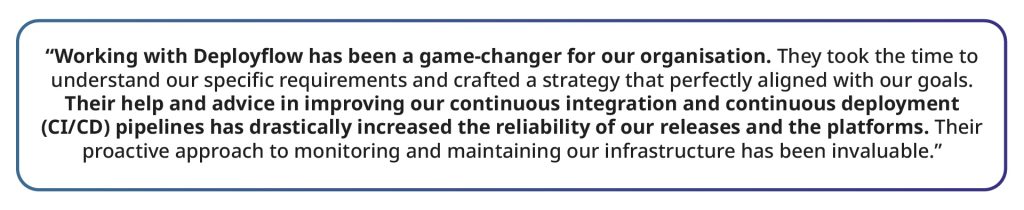
Start Your Cloud Application Modernisation with Deployflow
Cloud adoption can help companies enhance operational efficiency and performance and minimise their expenses. However, without cloud app modernisation, companies risk wasting their resources and losing their competitive advantage.
David Lopez, who is leading app modernisation with Cloud app strategies at Deployflow points out:
We are dedicated to improving how we deliver technology solutions to our clients. By employing best practices, tools, and processes, we ensure the delivery of high-quality solutions with enhanced robustness and resiliency
At Deployflow, we specialise in transforming legacy systems into high-performing cloud applications that drive business growth. Our cloud application modernisation services enable businesses to scale, improve agility, enhance security, and optimise operational efficiency.
By leveraging cloud-native technologies, we help you migrate, update, and re-architect applications to ensure they meet both current and future needs. Whether you’re looking to re-platform, refactor, or re-architect your systems, our expert team offers tailored strategies to streamline your digital transformation.
Ready to modernise your applications? Book a free strategy session with our team and start your journey toward a more efficient, secure, and scalable cloud environment today!
Explore how we can help you scale with Deployflow cloud app modernisation services and Deployflow Cloud Consulting services.
FAQs
What are the benefits of cloud application modernisation?
Cloud application modernisation offers benefits such as cost reduction, enhanced scalability, improved performance, better security, and increased automation, enabling businesses to stay competitive in a digital-first world.
How do you modernise legacy applications?
Legacy applications can be modernised through key strategies like rehosting, refactoring, replatforming, rearchitecting, replacing, rebuilding, or repurchasing, known as the “7 Rs.”
What cloud technologies support application modernisation?
Technologies like Kubernetes, Docker, AWS Lambda, Azure Functions, CI/CD automation tools, and microservices play a pivotal role in modernising applications by providing flexibility, scalability, and automation.
How much does cloud application modernisation cost?
The cost of modernisation depends on factors such as the complexity of the project, the chosen modernisation strategy, and any hidden expenses like training or ongoing maintenance, but cost-saving strategies like phased approaches and cloud-native tools can help manage expenses.
Explore our BLOG
Recent articles
ISO 42001 Explained: Requirements, Certification and What Your Engineering Team Must Build
ISO 42001 is the international standard that demonstrates your organisation governs AI properly, and enterprise...
read full article

Is Claude Down? Anthropic Outage: Protect Your Cloud Infrastructure
Claude went down across every surface on 29 September 2026. From 14:00 to 14:59 UTC,...
read full article
Top 10 Healthtech Companies in 2026: What Their Growth Means for AI and DevOps
Every software change that reaches a hospital has to clear regulatory, legacy system, and clinical...
read full article