


When Broadcom announced its plan to buy VMware, many people, including regulators, were worried. They thought this deal might reduce competition and hurt VMware’s value.
However, Broadcom has been explaining its plans to both regulators and customers. Broadcom’s CEO, Hock Tan, has shared that combining Broadcom and VMware will make private and multi-cloud services better for businesses. This will create more competition in the cloud market. Broadcom also plans to invest $2 billion a year in research and development (R&D) to improve VMware’s products.
But were the regulators’ worries valid? Let’s explore why this acquisition might actually be good for the market and essential in today’s cloud environment.
Why Virtualisation and Cloud-Native Platforms Matter
What is VMware?
VMware is a company that creates software that can work on any server, regardless of the brand. VMware started by creating virtual machines and hypervisors, which allow multiple operating systems to run on a single server. Now, VMware also offers Kubernetes clusters (called Tanzu), container-as-a-service (CaaS) products, and tools that help manage private, public, and hybrid clouds.
Why Isn’t VMware a Standard in the Cloud Market?
VMware’s products were mostly used by businesses to increase productivity in their data centers. As public cloud services (like Amazon Web Services and Microsoft Azure) became more popular, many companies moved their workloads from their own servers to the public cloud. VMware tried to adapt by developing private and multi-cloud products, but these are hard to deploy, manage, and automate across different cloud platforms.
Challenges for VMware
- VMware has a smaller team for R&D compared to big cloud providers, which makes it hard to keep up with the competition.
- Competing with these big providers requires a lot of money and technical skills, which VMware might not have.
How Broadcom Can Help VMware
Broadcom as a Strong Partner

Broadcom could be the perfect partner to help VMware grow in the multi-cloud market. Broadcom has a history of bringing new technologies to market and helping companies use them to achieve their goals. By investing in VMware, Broadcom can make it easier for businesses to move their data and applications between different cloud environments.
Broadcom plans to invest heavily in VMware, focusing on improving how easily businesses can move workloads between clouds. This investment can help VMware become a stronger competitor to big cloud providers and offer businesses more options.
Why Are Regulators Concerned?
Regulatory Concerns
Regulators, like the European Commission and the UK’s Competition and Markets Authority (CMA), were worried that Broadcom might use VMware’s software to give an unfair advantage to its own hardware products. These products include things like network interface cards (NICs) and storage adapters, which could potentially work better with VMware’s software, giving Broadcom an edge over other hardware companies.
Why These Concerns Might Not Be Justified
- Broadcom’s Neutral Approach: Broadcom’s business model focuses on making products that work well with different vendors, not just their own. This strategy helps ensure fair competition in the market.
- VMware’s Market Reach: VMware’s software is widely used and compatible with many different types of hardware. It wouldn’t make sense for Broadcom to limit this compatibility to favor its own products because that would reduce the overall value of VMware.
- Technical and Financial Risks: Even if Broadcom wanted to favor its own products, doing so would be technically difficult and financially risky. It would affect many hardware vendors and could harm Broadcom’s reputation and investment in VMware.
The Current State of the Cloud Market
Today, the cloud market is dominated by huge companies known as hyperscalers, like Amazon, Microsoft, and Google. These companies control a large portion of the market, making it hard for new competitors to enter. They offer extensive services and low prices, which attract many businesses but also lock them into their platforms.
Vendor Lock-In as a big Challenge
Once a company moves its data and applications to a particular cloud provider, switching to another provider is challenging and costly. Businesses often have to pay high fees and invest significant time and effort to move their services to a different platform.
How Broadcom and VMware Can Help
Broadcom wants VMware to create products that allow businesses to move their applications between private, public, and hybrid clouds without extra costs or technical difficulties. This flexibility would break the current “lock-in” that many businesses experience with major cloud providers, giving them more choices and potentially reducing costs.
A Positive Move for the Cloud Market: Why Broadcom’s Acquisition of VMware Could Be Good for Everyone
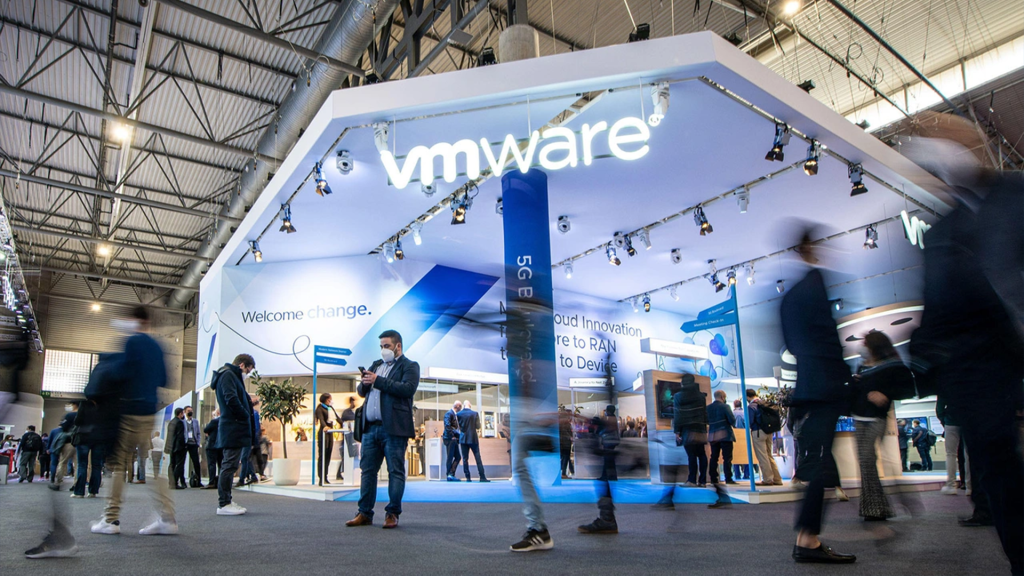
Broadcom’s acquisition of VMware has the potential to bring about positive changes in the cloud market. With more investment and support, VMware could become a strong competitor, offering more choices to businesses and encouraging a fairer, more balanced market. Regulators might find that supporting this deal leads to a more dynamic and competitive cloud environment.
Here are some of the main advantages of this acquisition:
- The acquisition of VMware by Broadcom could lead to a more competitive cloud market by offering businesses more options.
- By supporting VMware, Broadcom can help create better alternatives to the current dominant cloud providers.
- This could ultimately lead to a healthier cloud ecosystem, where businesses have more flexibility to choose the best cloud services according to their needs.
–
Deployflow is laser-focused on empowering companies gain the full value of the cloud through cloud migration and cloud security services allowing companies to reap the rewards, keep up with the changes and get ahead of the curve.
Reach out to our team of experts to learn how we can help you accelerate your cloud adoption.
Explore our BLOG
Recent articles

ISO 42001 Explained: Requirements, Certification and What Your Engineering Team Must Build
ISO 42001 is the international standard that demonstrates your organisation governs AI properly, and enterprise...
read full article

Is Claude Down? Anthropic Outage: Protect Your Cloud Infrastructure
Claude went down across every surface on 29 September 2026. From 14:00 to 14:59 UTC,...
read full article

Top 10 Healthtech Companies in 2026: What Their Growth Means for AI and DevOps
Every software change that reaches a hospital has to clear regulatory, legacy system, and clinical...
read full article